
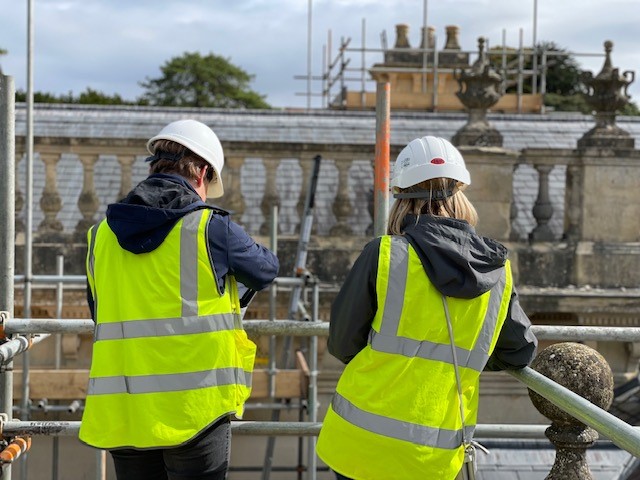
At Trident, we know that working with historic and listed properties requires a different approach from that of modern buildings. They are protected heritage assets with their own story, character and historic significance, so every decision needs to balance practical outcomes with conservation sensitivity.
That’s why heritage accreditations matter. They show that not just the person working on your project cares about your building, but that they have the knowledge, judgement and experience to do so, and that this expertise has been rigorously assessed and recognised by others.
What heritage accreditations actually mean
Becoming an RICS Chartered Building Surveyor demonstrates a recognised level of professional competence in building surveying. However, becoming an RICS Certified Historic Building Professional goes that extra mile. It identifies experts who have the specific skills and expertise to manage, repair and protect heritage assets and listed buildings.
There are only around 150 of these experts in the whole country making it a highly specialist accreditation. It is also an important requirement for certain heritage projects, including those supported by National Lottery funding.
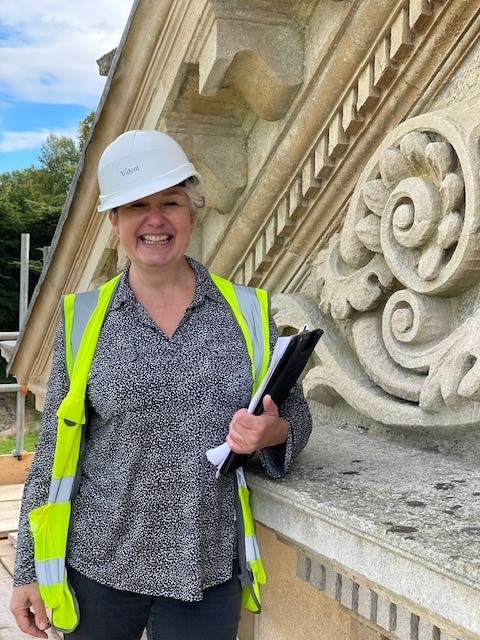
Meet our Head of Conservation
Our Heritage Consultancy services are led by Melissa Osborne. With 20 years of experience in the heritage sector, Melissa brings specialist knowledge, practical insight and a genuine passion for the care of historic buildings.
Melissa holds a rare combination of professional accreditations and qualifications. As well as being an RICS Chartered Building Surveyor, she is an RICS Certified Historic Building Professional, accredited by the Institute of Historic Building Conservation, and holds a PG Dip and MA in Conservation of the Historic Environment.
This combination of experience and qualifications makes Melissa one of a small number of professionals in the country with the skill set needed to advise on and manage heritage assets.
Why should you care?
You wouldn’t trust your classic car with someone who only works on modern vehicles, and the same applies to heritage properties. To ensure your project is compliant, delivered to a high standard and sensitive to the building’s significance, you need advice from a certified heritage professional.
This can help clients avoid costly mistakes, delays and poor advice, particularly when dealing with Listed Building Consent, Heritage Impact Assessments and conservation sensitive repairs.
One of the biggest mistakes we see is projects using the wrong people and the wrong materials. An accredited heritage professional understands how these buildings are put together and can help identify contractors with the right knowledge and experience to use traditional materials correctly.
Heritage accreditations give clients confidence that the person advising them understands not only the building itself, but also the standards, sensitivities and responsibilities involved in working with historic and listed buildings.
How it changes the approach
We always put our clients first. But when it comes to heritage buildings, Melissa and her team also make sure the building is given the same level of care.
This means they do not only ask, “What does the client want to achieve?” They also ask, “What is right for the building, and how can the client’s aims be achieved without harming its significance?”
By balancing these priorities from the outset, we can help clients move their projects forward in a way that is commercially practical as well as appropriate and respectful of the building itself.
Navigating the consent process
When working with heritage properties, it is often necessary to engage with local planning authorities and Conservation Officers. This process can be exacting, and rightly so. Conservation Officers have high standards because their role is to safeguard the nation’s heritage.
Melissa’s accreditations, combined with her practical experience, help smooth these discussions and approvals for clients. Her professional standing gives Conservation Officers confidence that the building’s significance has been properly understood, and that any proposals are being approached with the right level of care.
On a recent project, a Conservation Officer told Melissa: “I wouldn’t accept a tree survey from someone who isn’t a qualified arboriculturist, or a bat survey from someone who isn’t a registered ecologist. So why am I expected to accept a Heritage Impact Assessment from someone who isn’t an accredited heritage professional?”
That point captures exactly why accreditation matters. Being accredited and being able to speak the same language as Conservation Officers shows that we are working with the best interests of the building at heart. It helps create trust, supports better conversations and makes the process smoother for everyone involved.
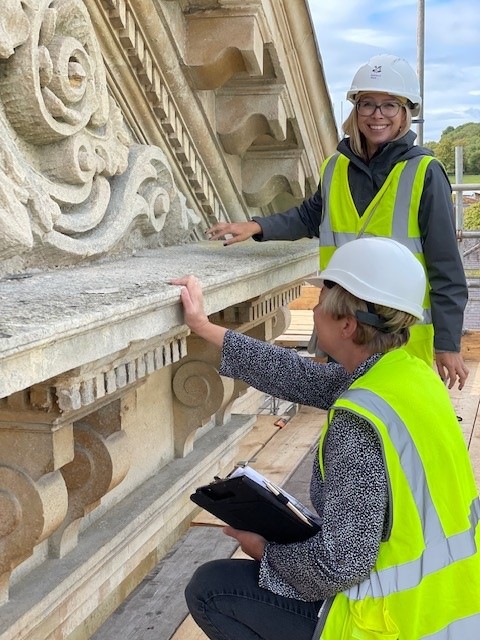 Accreditation and risk management
Using a correctly accredited heritage professional can actively de-risk a project, particularly when Listed Building Consent, a Heritage Impact Assessment (HIA) or a Conservation Management Plan (CMP) is required.
Conservation Officers challenge applications where the supporting information is too limited or has not been prepared by someone with the right expertise. A professionally prepared HIA or CMP gives the application a stronger foundation, demonstrating that the building’s significance has been properly understood and gives Conservation Officers greater confidence in the proposals.
For developers and investors, this can help reduce delays, avoid unnecessary cost and keep the project moving.
Overall, heritage accreditation is more than a professional credential. When working with historic and listed buildings, it provides reassurance that the building, the client’s objectives and the consent process are being approached with the right level of specialist care
To discuss your heritage project with Melissa, please contact melissa.osborne@tridentbc.com.